Accounting
Rental property depreciation is a tax mechanism that generally allows owners to recover the cost or other basis of qualifying income-producing property over time rather than deducting the entire cost immediately. It differs from a decline in market value, a mortgage principal payment, and a repair expense. Land generally is not depreciable. Depreciation reduces adjusted basis and may affect tax consequences when the property is later sold.
15 min read
Read guide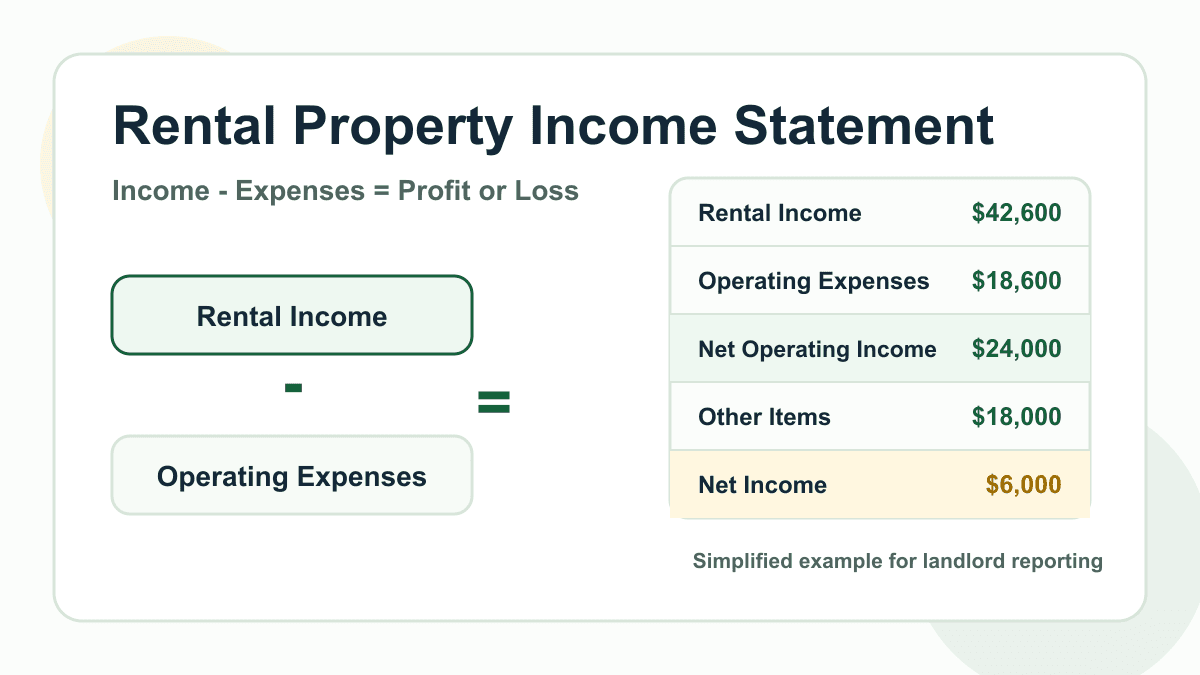
Accounting
A rental property income statement summarizes income and expenses over a specific period and shows whether the rental operation generated a profit or loss. It is also commonly called a profit and loss statement, rental property P&L, or landlord income statement.
15 min read
Read guide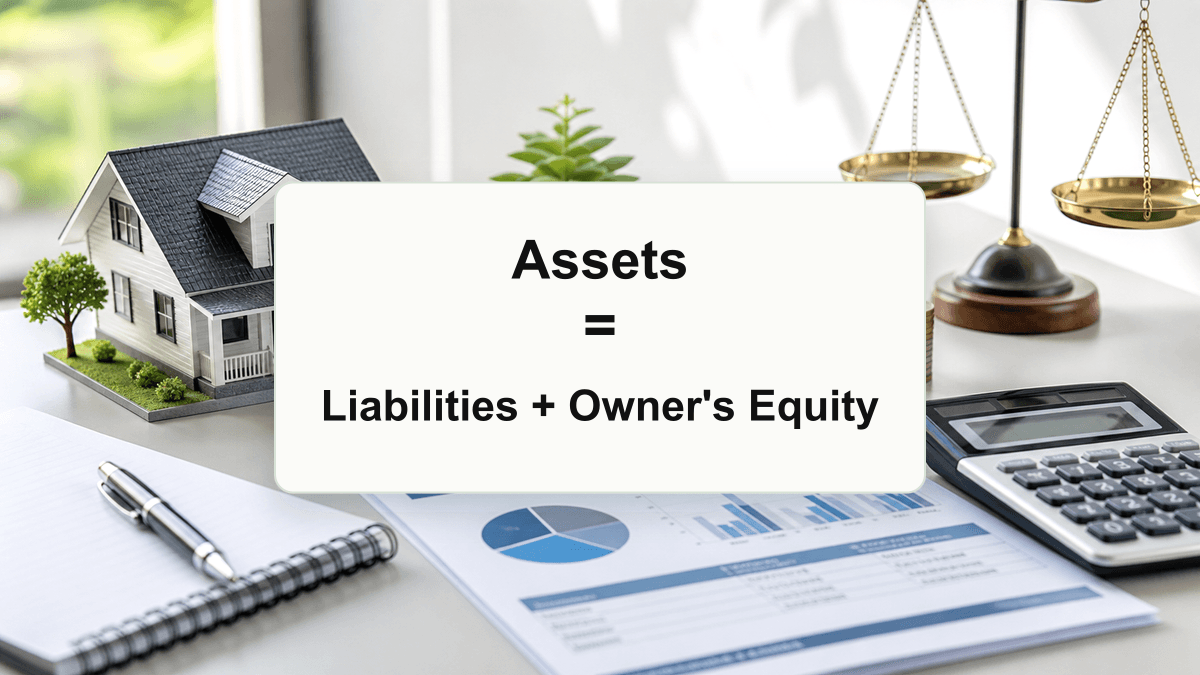
Accounting
A rental property balance sheet shows what a rental business or portfolio owns, what it owes, and the owner’s equity at a specific point in time.
15 min read
Read guide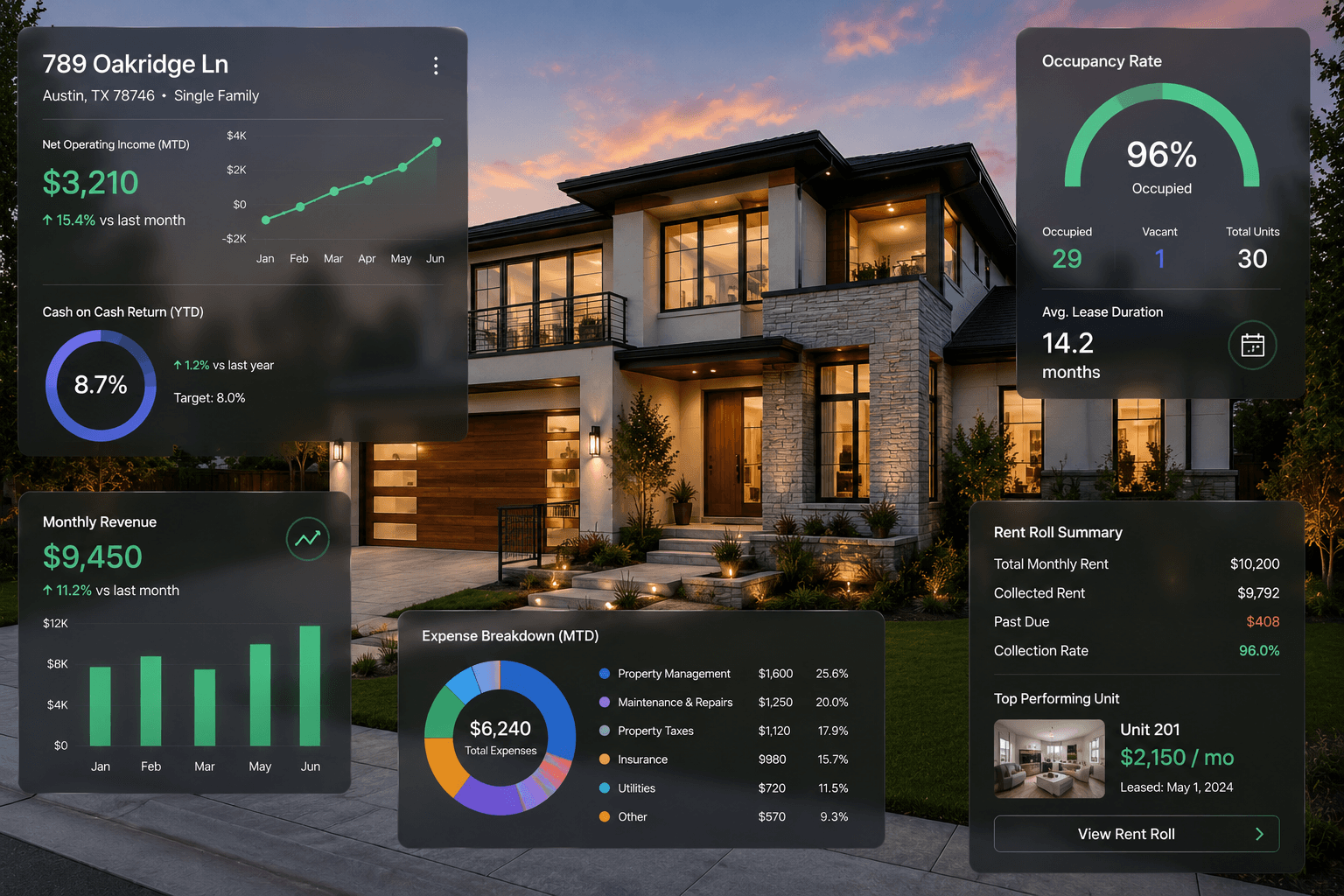
Accounting
A rent roll is a snapshot report that summarizes current rental units, tenants, rent amounts, lease dates, occupancy, deposits, statuses, and balances. Landlords use rent rolls to review rental income, vacancies, lease expirations, and portfolio performance without reading every transaction one by one.
14 min read
Read guide
Accounting
Rental property journal entries are the individual accounting records that document financial events before they become part of a property’s accounting history. Most landlords never create them manually, but understanding them makes bookkeeping, reports, and financial records much easier to understand.
13 min read
Read guideAccounting
A rental property general ledger is the organized transaction record behind a landlord's accounting activity. It helps explain what happened, when it happened, which account was affected, and which property the activity belongs to.
13 min read
Read guideAccounting
A practical rental property chart of accounts helps landlords organize income, expenses, assets, liabilities, security deposits, owner activity, and property-level reports.
14 min read
Read guide
Accounting
Rental property owners may generally deduct ordinary and necessary expenses for managing, conserving, or maintaining qualifying rental property, subject to applicable tax rules and limitations. Not every cash outflow is an immediate deduction: some costs are potential current expenses, some must be capitalized and recovered over time, and personal costs generally are not rental deductions.
16 min read
Read guide
Accounting
Rental property bookkeeping is the process of recording and organizing the income, expenses, balances, and financial activity associated with each rental property. This guide is built for small landlords who want cleaner records, clearer property-level performance, and less year-end scrambling.
18 min read
Read guideAccounting
Everything landlords need to know about rental income, expenses, open balances, cash flow, and reporting.
10 min read
Read guide
Accounting
A rental ledger is a chronological record of the charges, payments, credits, and balances associated with a rental property or tenant account. Landlords use rental ledgers to see what was owed, what was paid, when each transaction occurred, and whether an unpaid balance remains.
17 min read
Read guide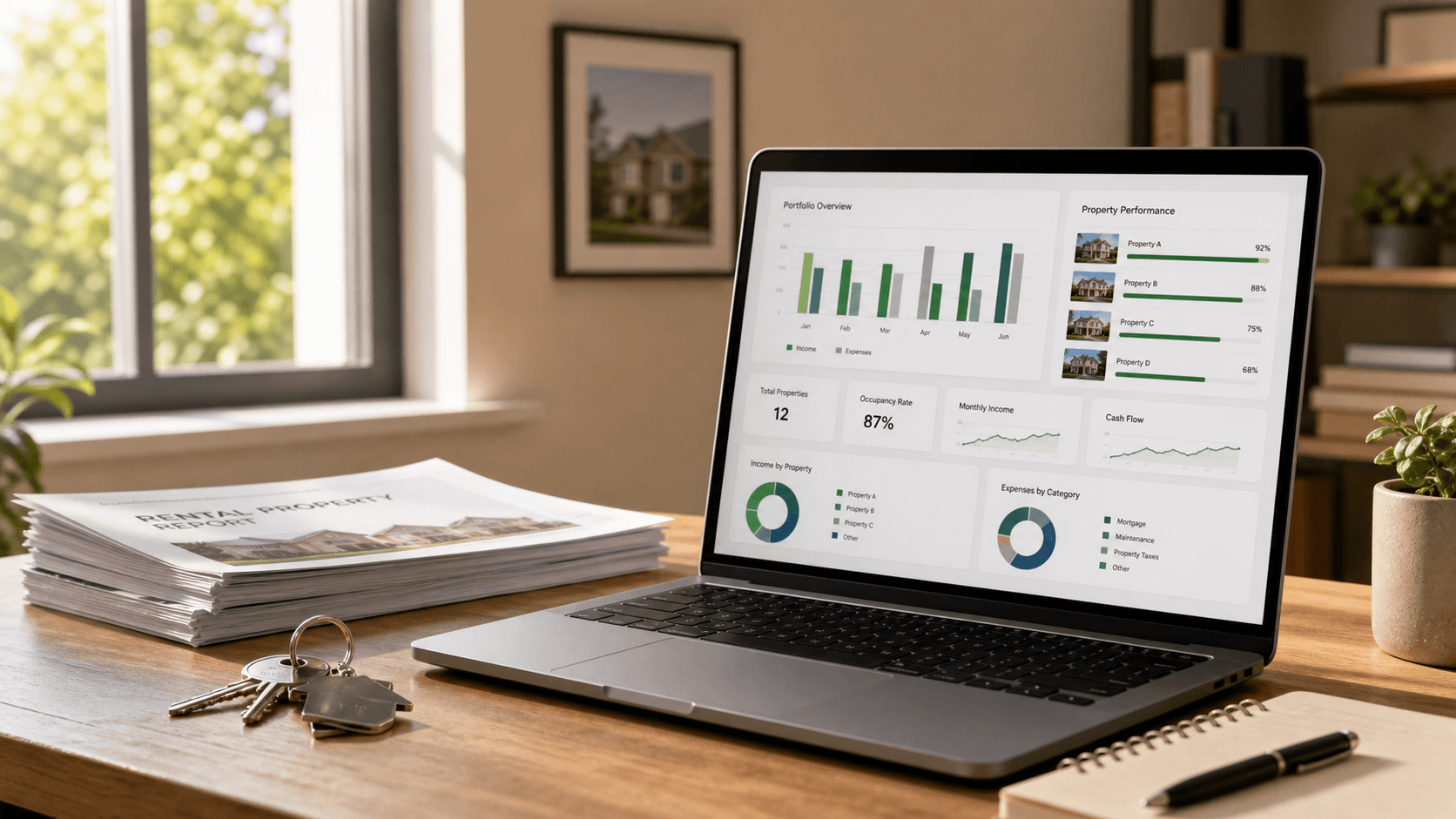
Accounting
The rental property reports landlords should review to understand collections, balances, cash flow, expenses, forecasts, and property performance.
9 min read
Read guide